

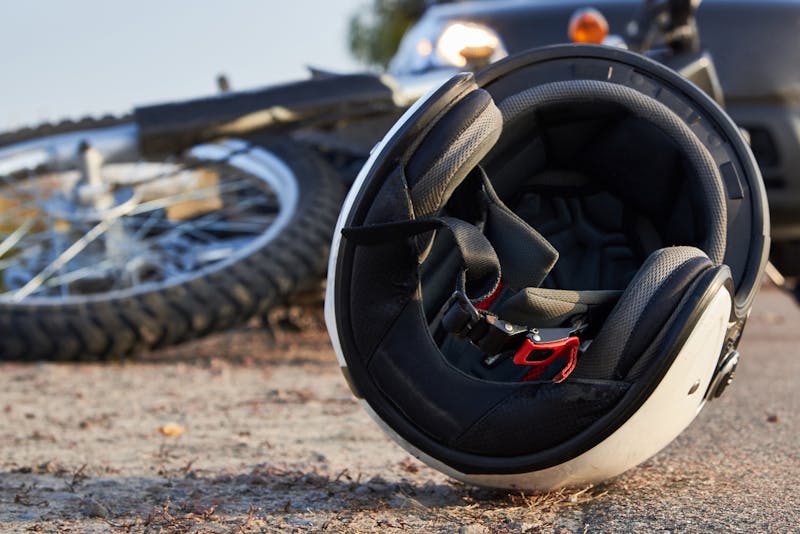
After a motorcycle collision, what you do in the first few minutes and hours can directly impact your legal case. The most important steps are to reach a safe location, call 911, seek medical attention, document the scene, and avoid speaking with insurance companies until you understand your rights.
At Turnbull, Moak & Pendergrass, we’ve recovered over $460 million for our clients and taken more than 127 cases to trial nationwide. We’ve seen firsthand how early decisions after a crash can strengthen—or weaken—a case.
In this guide, we’ll walk you through:
- The key legal terms you need to understand
- The exact steps to take immediately after a collision
- What evidence to collect and preserve
- How to protect your rights from day one
Legal Terms to Know
- Negligence: Negligence occurs when someone fails to exercise reasonable care, resulting in harm to another person (Justia).
- Duty of Care: All drivers have a legal obligation to operate their vehicles safely and follow traffic laws to prevent harm to others.
- Comparative Fault: Georgia follows a modified comparative negligence system, meaning your compensation may be reduced if you share responsibility for the accident.
- Personal Injury Claim: A legal claim filed to recover compensation for injuries caused by another party’s negligence.
- Evidence: Any documentation or information that helps prove what happened, who was at fault, and the extent of damages.
Step-by-Step: What to Do Immediately After a Motorcycle Collision
1. Get to Safety and Call 911
Move out of traffic if possible and call emergency services immediately. Georgia law requires reporting accidents involving injury, death, or significant property damage.
2. Seek Medical Attention Immediately
Even if you feel okay, get evaluated. Motorcycle injuries can be delayed or internal.
3. Cooperate With Law Enforcement
Answer questions factually, but avoid guessing or admitting fault.
4. Document the Scene
Take photos and videos of:
Vehicles
- Road conditions
- Injuries
- Traffic signs and signals
5. Exchange Information
Collect:
- Names and contact info
- Insurance details
- Vehicle information
- Witness contacts
6. Avoid Discussing Fault
Do not apologize or speculate about what happened.
7. Notify Your Insurance Company Carefully
Report the crash, but keep statements brief and factual.
8. Preserve Evidence and Follow Treatment Plans
Keep records, attend appointments, and document your recovery.
9. Speak With a Motorcycle Accident Attorney
Before accepting any offer or giving detailed statements, get legal guidance.
What to Gather After a Motorcycle Accident
At the Scene
- Photos/videos of the crash
- Vehicle damage
- Road conditions
- Witness information
Medical Records
- ER and doctor reports
- Treatment plans
- Bills and prescriptions
Personal Documentation
- Pain journal
- Missed work records
- Notes on daily limitations
Legal/Insurance Documents
- Police report
- Insurance communications
- Repair estimates
What We Can Do for You After a Motorcycle Collision
You don’t have to figure everything out on your own. Turnbull, Moak & Pendergrass takes over the legal burden so you can focus on your recovery. We handle the details from start to finish, which includes:
- Conducting a full investigation of the crash
- Gathering police reports, witness statements, and crash scene evidence
- Working with medical providers to document your injuries
- Identifying all responsible parties
We also deal with the insurance companies, whose goal is to pay as little as possible. We handle all communication, protect you from lowball offers, and push back when they try to minimize your injuries or shift blame.
Importantly, we fight for the full value of your case. That means pursuing compensation for:
- Medical expenses (past and future)
- Lost wages and reduced earning capacity
- Pain and suffering
- Long-term or permanent injuries
If you’ve been injured in a motorcycle collision, book your free case evaluation today, and let’s talk about how we can help you move forward.
Frequently Asked Questions About Motorcycle Accidents in Georgia
What if the driver who hit me left the scene?
If you were involved in a hit-and-run, you may still have options. Uninsured motorist (UM) coverage can apply in these situations. It’s also critical to report the incident immediately and provide as much detail as possible to law enforcement to help identify the driver.
Can road conditions or a city be responsible for my motorcycle accident?
Yes. If poor road conditions—like potholes, debris, or inadequate signage—caused or contributed to your crash, a government entity or contractor may be liable. These cases have shorter deadlines and specific notice requirements, so acting quickly is important.
What if multiple parties were involved in the accident?
Motorcycle collisions often involve more than one responsible party. Liability could include another driver, an employer (in commercial vehicle cases), a manufacturer, or even a third party responsible for road maintenance. Identifying all liable parties is key to maximizing your recovery.
Will my case be affected if I was lane splitting?
Georgia law does not explicitly allow lane splitting, and it may be used against you depending on the circumstances. However, it does not automatically prevent you from recovering compensation. Fault will still be evaluated based on the full facts of the case.
What if I wasn’t seriously injured at the scene but symptoms developed later?
This is more common than people realize. Injuries like concussions, soft tissue damage, or internal injuries can take time to appear. That’s why ongoing medical evaluation is important, and why documenting new symptoms as they arise matters.
Can I recover compensation for damage to my motorcycle and gear?
Yes. Property damage claims can include repairs or replacement of your motorcycle, helmet, riding gear, and other personal property damaged in the crash.
How are motorcycle accident cases different from car accident cases?
Motorcycle cases often involve more severe injuries, greater bias from insurance companies, and more aggressive defense strategies. Riders are frequently—and unfairly—blamed. That makes strong evidence and experienced legal representation even more important.
What if the insurance company says I was speeding?
Insurance companies often raise speeding or reckless driving to reduce liability. These claims must be backed by evidence. A thorough investigation—including accident reconstruction when necessary—can challenge unsupported accusations.
Do I have to go to court for a motorcycle accident case?
Not always. Many cases settle before trial. However, having a legal team prepared to go to court puts pressure on the insurance company to offer fair compensation.
What should I do if I’m unable to work after the accident?
Keep detailed records of missed work, lost income, and any changes to your ability to earn a living. These damages can be included in your claim, especially if your injuries impact your long-term earning capacity.